
Supply Chain vs. Logistics: Unpacking the Differences
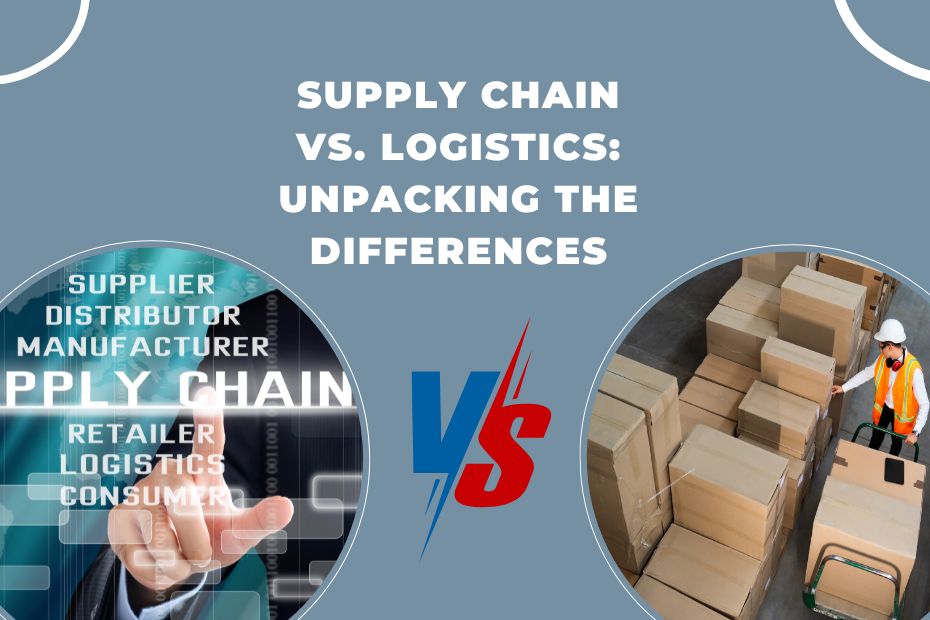
Table of Contents
- Defining Supply Chain Management
- Understanding Logistics
- Key Differences Between Supply Chain Management and Logistics
- The Interrelationship Between Supply Chain Management and Logistics
- The Role of Technology in SCM and Logistics
- Challenges in Supply Chain Management and Logistics
- Strategies for Effective Supply Chain Management and Logistics
- Key Differences Between Supply Chain and Logistics
- In Conclusion
Understanding the differences between supply chain management (SCM) and logistics is essential for building efficiency and resilience in business operations. While these terms are often used interchangeably, they represent distinct roles in an organization’s value chain, each with specific functions and objectives. In my experience, businesses that recognize and respect the differences between SCM and logistics gain a clearer understanding of how to optimize processes, reduce costs, and deliver on customer expectations. Let’s take a deeper look at what sets supply chain management apart from logistics, explore their unique contributions, and see how they work together to create a seamless operational flow.
Defining Supply Chain Management
Supply chain management, or SCM, encompasses the full lifecycle of a product, from sourcing raw materials to delivering the finished product to the customer. It’s a broad field that involves coordinating various processes, including procurement, manufacturing, distribution, and customer service. In SCM, the primary goal is to create an efficient and cost-effective flow of goods, services, and information across the supply chain. By optimizing each stage, SCM seeks to align production schedules with demand, manage supplier relationships, and minimize waste, all while meeting customer needs.
For example, in the production of consumer electronics, SCM starts with sourcing raw materials like metals and electronic components, which are then sent to factories for assembly. The assembled products are transported to distribution centers or warehouses before reaching retail stores or online buyers. Each phase depends on the previous one, and a disruption in any stage can affect the entire chain. Because SCM encompasses every link in this chain, it requires a blend of strategic planning, strong supplier relationships, demand forecasting, and efficient production scheduling to keep everything running smoothly.
Understanding Logistics
Logistics, as a function within the larger SCM framework, focuses specifically on the transportation, storage, and handling of goods. While SCM is strategic and wide-ranging, logistics is more operational and execution-focused. Logistics includes transportation management, warehousing, inventory control, and order fulfillment. The primary objective of logistics is to ensure that goods move efficiently from one location to another, arriving at the right place, at the right time, and at an optimal cost.
In the logistics realm, responsibilities may include selecting the most effective shipping method, managing inventory levels to meet demand without overstocking, and overseeing warehousing operations. Let’s take the example of an e-commerce company: the logistics team is responsible for managing incoming goods from suppliers, storing them, processing customer orders, and coordinating delivery through various carriers. Logistics relies on careful planning and precise execution to manage these day-to-day functions, focusing on getting products where they need to be without delays.
Key Differences Between Supply Chain Management and Logistics
Though they overlap, SCM and logistics differ in three primary areas: scope, focus, and objectives.
- Scope: SCM covers the entire journey of a product from raw materials to end consumer. This encompasses sourcing, production, distribution, and even customer service. Logistics, in contrast, zeroes in on specific functions like warehousing and transportation within this larger framework. While SCM looks at the bigger picture, logistics deals with the physical handling and movement of goods.
- Focus: SCM is largely strategic and involves making long-term plans that optimize the entire supply chain. SCM professionals work on creating efficient processes, managing supplier relationships, and ensuring that production schedules meet customer demand. Logistics, on the other hand, is operational. It focuses on the implementation side, managing the tangible movement and storage of goods to ensure they reach their destinations on time and in good condition.
- Objectives: SCM aims to optimize the entire process from end to end, seeking efficiency and cost-effectiveness across all stages. By contrast, logistics primarily focuses on meeting customer delivery requirements while keeping costs under control. SCM is about creating a competitive advantage by streamlining the full supply chain, while logistics is about providing reliable and timely service to end-users.
The Interrelationship Between Supply Chain Management and Logistics
Despite their distinctions, SCM and logistics are deeply interconnected. SCM relies on effective logistics to execute the strategic plans it establishes. For instance, an SCM strategy might involve optimizing inventory levels to meet seasonal demand. Logistics then comes in to manage the inventory flow, from ordering and storage to delivery. This collaboration ensures that the company can meet demand without holding excess stock, which would lead to higher costs.
Logistics also benefits from the overarching strategies developed within SCM. SCM provides logistics teams with clear guidelines on priorities, such as which customers or locations need expedited delivery. When logistics and SCM work in harmony, the company gains an agile, responsive system that can adjust to market shifts, supply chain disruptions, or changes in customer preferences. This partnership enables companies to deliver consistent quality while optimizing resources and minimizing costs.
The Role of Technology in SCM and Logistics
Technology has revolutionized both SCM and logistics, making them more efficient, transparent, and data-driven. From automation to real-time tracking, technological advances have enhanced each function’s capabilities. Here are some ways technology supports both areas:
- Automation: Automated systems in logistics streamline tasks like order processing, inventory management, and transportation scheduling. For SCM, automation supports forecasting, production scheduling, and demand management. Together, these automated processes reduce errors, increase speed, and help employees focus on more strategic activities.
- Data Analytics: Data analytics is invaluable in both SCM and logistics. SCM uses analytics to forecast demand, identify inefficiencies, and adjust production schedules, while logistics teams use it to optimize routes, manage inventory levels, and improve order accuracy. Analyzing data helps companies make informed decisions and adapt quickly to changes in the supply chain.
- Real-Time Tracking: Real-time tracking technologies, such as GPS and RFID, provide visibility into product movement. Logistics teams can use this technology to monitor shipments and proactively handle potential delays. SCM benefits from this transparency, as real-time tracking provides insights into supplier performance, delivery timelines, and customer satisfaction.
By leveraging these technologies, companies can ensure that their SCM and logistics operations run smoothly, allowing for a flexible, responsive approach to managing supply and demand.
Challenges in Supply Chain Management and Logistics
Both SCM and logistics come with unique challenges that can impact efficiency and service. Let’s look at some of the primary challenges they face:
- Globalization: As companies source materials and sell products internationally, they must navigate complex logistics routes, customs regulations, and often longer lead times. Logistics teams need to manage these challenges while ensuring timely deliveries. For SCM, globalization requires coordination across different regions and adapting to varied regulations.
- Supply Chain Disruptions: Unexpected events, such as natural disasters, trade restrictions, or health crises, can disrupt both supply chains and logistics operations. These events require companies to develop contingency plans, ensuring that products continue to flow through the supply chain despite disruptions.
- Sustainability: Increasingly, businesses are expected to make their supply chains sustainable. This includes reducing carbon footprints, sourcing materials ethically, and minimizing waste. Logistics plays a role here by optimizing delivery routes, using eco-friendly packaging, and choosing sustainable transportation methods. SCM also incorporates sustainability by selecting environmentally responsible suppliers and reducing waste throughout production.
Companies that proactively address these challenges can build a more resilient supply chain and logistics operation, preparing them to adapt to unforeseen circumstances.
Strategies for Effective Supply Chain Management and Logistics
To optimize SCM and logistics, companies can adopt several key strategies that improve efficiency, resilience, and cost-effectiveness:
- Collaboration: Strong partnerships with suppliers, manufacturers, and logistics providers foster better coordination and more efficient processes. Collaboration ensures that each part of the chain understands its role and can work together to prevent disruptions.
- Flexibility: Building flexibility into SCM and logistics allows companies to adapt quickly to changes in demand or unforeseen disruptions. For example, diversifying suppliers for essential materials ensures that if one supplier experiences a delay, another can step in.
- Continuous Improvement: Regularly evaluating and refining SCM and logistics processes helps companies stay competitive. By continuously looking for ways to optimize operations, companies can identify inefficiencies, address them, and keep up with industry advancements.
Key Differences Between Supply Chain and Logistics
- Scope: SCM covers end-to-end product flow; logistics focuses on transport and storage.
- Focus: SCM is strategic; logistics is operational.
- Objectives: SCM aims for overall efficiency; logistics targets timely delivery and cost control.
In Conclusion
While supply chain management and logistics are distinct in scope, focus, and objectives, they work together to ensure a seamless flow of products from origin to customer. SCM offers a strategic framework to optimize the end-to-end supply chain, while logistics handles the operational aspects of moving and storing goods. By understanding and effectively integrating these functions, businesses can create a resilient system that enhances efficiency, reduces costs, and improves customer satisfaction.
Related Posts

How to Build a Strong Resume as a Student With No Experience
Learn how to build a strong student resume with no experience...

How to Memorize Faster and Retain Information Longer
Learn how to memorize faster with active recall, spaced repetition, and...
How AI Is Changing Supply Chain Jobs (And What Skills Will Still Matter)
See how AI is changing supply chain jobs and which human...