The Ultimate Degree for Mastering Supply Chain Excellence
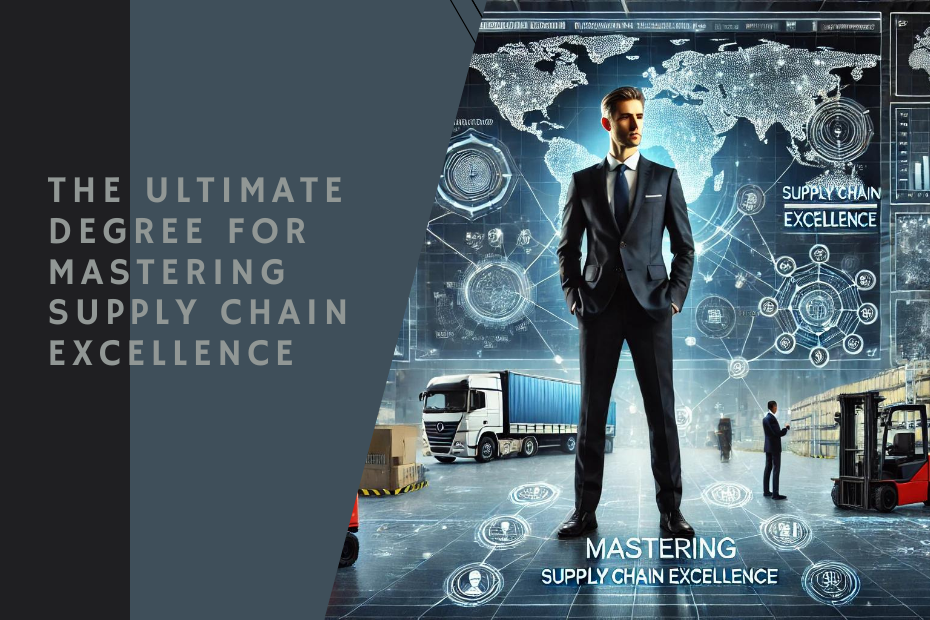
Table of Contents
In today’s competitive global market, achieving supply chain excellence is crucial for organizational success. Supply chain management (SCM) encompasses a wide range of activities, from procurement and production to logistics and distribution. To excel in this field, a comprehensive and specialized education is essential. This article explores the ultimate degree for mastering supply chain excellence, providing insights into educational pathways, key components of an effective SCM degree, and the benefits of advanced education in this dynamic field.
Understanding Supply Chain Management
Supply chain management involves overseeing the flow of goods and services from suppliers to customers. It includes managing procurement, production processes, logistics, and distribution to ensure efficiency and effectiveness. SCM professionals are responsible for optimizing these processes to reduce costs, improve quality, and enhance customer satisfaction. Understanding the complexities of SCM is the first step toward mastering the field.
SCM professionals must navigate challenges such as supply chain disruptions, changing market demands, and evolving technologies. They play a crucial role in ensuring that organizations can deliver products and services efficiently and meet customer expectations. This requires a deep understanding of supply chain dynamics, strategic planning, and the ability to implement innovative solutions.
The Importance of Education in SCM
A strong educational foundation is critical for a successful career in SCM. Most professionals in this field hold at least a bachelor’s degree in supply chain management, logistics, business administration, or a related field. These programs cover essential topics such as supply chain strategy, procurement, inventory management, logistics, and operations management. Advanced degrees, such as a Master’s in Supply Chain Management or an MBA with a focus on operations, provide deeper knowledge and specialized skills, preparing graduates for leadership roles.
Advanced education in SCM equips students with the skills needed to address complex supply chain challenges. It provides a comprehensive understanding of supply chain principles, best practices, and emerging trends. This knowledge is essential for developing effective strategies, improving operational efficiency, and driving business success.
Key Components of a Comprehensive SCM Degree


“Essential elements of an SCM degree include supply chain strategy, procurement and sourcing, logistics and distribution, inventory management, and data analytics and technology.”
An ultimate degree program in SCM should include a blend of theoretical knowledge and practical skills. Key components of such a program typically include:
- Supply Chain Strategy: Understanding how to align supply chain operations with overall business strategies. This involves learning how to develop and implement strategic plans that optimize supply chain performance and support organizational goals.
- Procurement and Sourcing: Learning effective techniques for managing supplier relationships and procurement processes. Students gain insights into selecting suppliers, negotiating contracts, and ensuring the timely delivery of quality materials.
- Logistics and Distribution: Gaining insights into efficient transportation and distribution methods. This includes understanding the logistics of moving goods from suppliers to customers, managing transportation networks, and optimizing distribution channels.
- Inventory Management: Mastering strategies for optimizing inventory levels and minimizing costs. Students learn how to balance inventory to meet customer demand while reducing carrying costs and minimizing stockouts.
- Data Analytics and Technology: Utilizing advanced technologies like AI, blockchain, and data analytics to enhance supply chain efficiency. This component focuses on leveraging technology to analyze data, improve decision-making, and drive innovation in supply chain operations.
These components provide students with a comprehensive understanding of SCM and prepare them for the challenges and opportunities they will encounter in their careers.
Benefits of Advanced Degrees in SCM
Pursuing an advanced degree in SCM offers numerous benefits, including:
Enhanced Career Opportunities: Advanced degrees open doors to higher-level positions such as supply chain director, operations manager, and logistics coordinator. Graduates are equipped with the skills and knowledge needed to take on leadership roles and drive strategic initiatives.
Higher Earning Potential: Professionals with advanced degrees often earn higher salaries compared to those with only a bachelor’s degree. The specialized knowledge and skills gained through advanced education make graduates more valuable to employers.
Specialized Knowledge: Advanced programs provide in-depth knowledge of specialized areas, such as global supply chain management, sustainability, and supply chain analytics. This expertise enables professionals to address complex supply chain challenges and implement innovative solutions.
Networking Opportunities: Graduate programs offer opportunities to connect with industry professionals and peers, building a valuable professional network. Networking can lead to job opportunities, collaborations, and access to industry insights and best practices.
These benefits make pursuing an advanced degree in SCM a worthwhile investment for professionals seeking to advance their careers and achieve supply chain excellence.
Top Universities Offering SCM Degrees
Several top universities offer renowned programs in supply chain management. Some of the most notable institutions include:
- Massachusetts Institute of Technology (MIT): Known for its comprehensive SCM programs that integrate cutting-edge research and practical applications. MIT’s program emphasizes innovation, technology, and strategic thinking in supply chain management.
- Michigan State University: Offers a highly ranked SCM program focusing on logistics, procurement, and supply chain strategy. The program provides a strong foundation in SCM principles and prepares students for leadership roles in the field.
- Georgia Institute of Technology: Provides a strong emphasis on technology and innovation in SCM. The program covers topics such as supply chain analytics, logistics, and sustainability, equipping students with the skills needed to drive supply chain excellence.
- Rutgers University: Known for its robust SCM curriculum that covers end-to-end supply chain management. The program offers courses in areas such as global supply chain management, procurement, and logistics, preparing students for diverse careers in SCM.
These universities offer comprehensive programs that combine theoretical knowledge with practical skills, preparing students for successful careers in SCM.
The Role of Technology in SCM Education
Modern SCM programs emphasize the role of technology in optimizing supply chain operations. Courses often include training on enterprise resource planning (ERP) systems, blockchain technology, and supply chain analytics tools. Understanding how to leverage these technologies is crucial for staying competitive in the field and driving supply chain excellence.
Technology plays a vital role in modern supply chain management, enabling organizations to collect and analyze data, improve decision-making, and enhance operational efficiency. SCM professionals must be proficient in using technology to manage supply chain processes, optimize performance, and address emerging challenges.
In conclusion, achieving supply chain excellence requires a combination of strong educational foundations, practical experience, and continuous professional development. Pursuing an advanced degree in SCM provides the knowledge and skills necessary to excel in this dynamic field. By understanding the complexities of supply chain management, leveraging advanced technologies, and obtaining professional certifications, you can position yourself for a successful and rewarding career in SCM.
Related Posts

How to Build a Strong Resume as a Student With No Experience
Learn how to build a strong student resume with no experience...

How to Memorize Faster and Retain Information Longer
Learn how to memorize faster with active recall, spaced repetition, and...
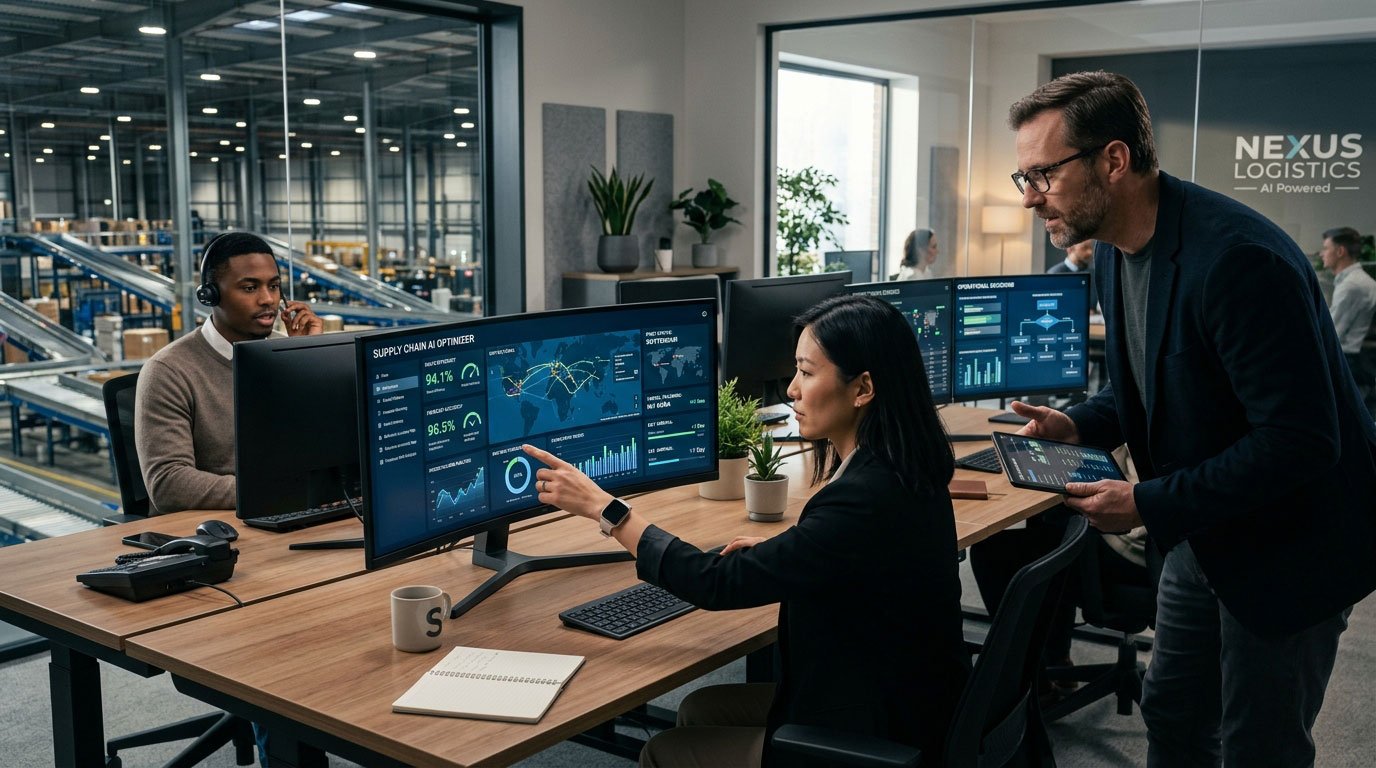
How AI Is Changing Supply Chain Jobs (And What Skills Will Still Matter)
See how AI is changing supply chain jobs and which human...