
Why is Emotional Intelligence Crucial for Students?
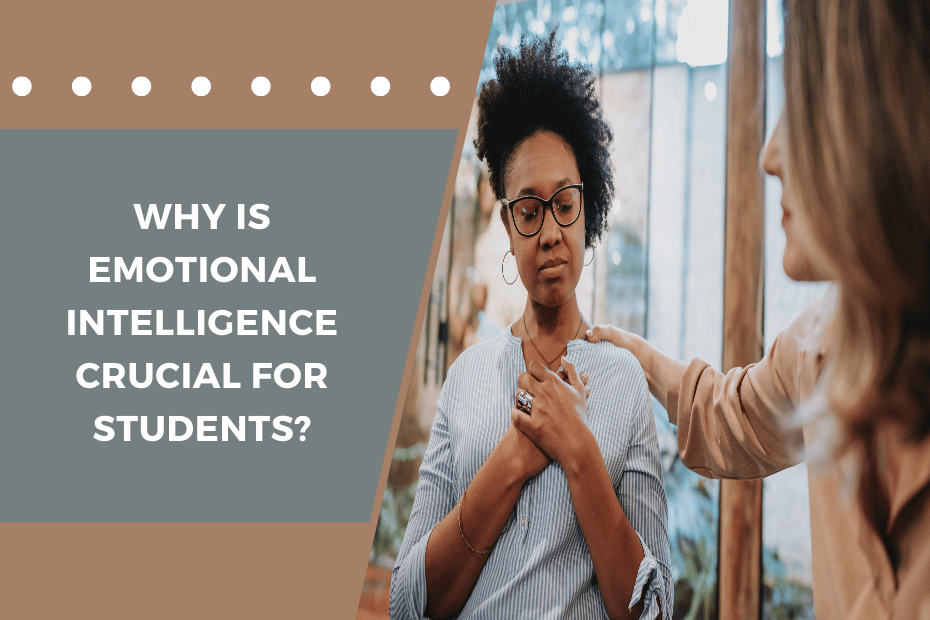
Table of Contents
- Emotional Intelligence: A Foundational Skill
- Academic Success Linked to Emotional Intelligence
- The Role of Emotional Intelligence in Relationships
- Managing Stress with Emotional Intelligence
- Emotional Intelligence Enhances Decision-Making
- Communication: A Key Benefit of Emotional Intelligence
- Emotional Intelligence and Long-Term Success
- Why Emotional Intelligence is Crucial for Students
Emotional intelligence (EI) is a concept that has gained considerable attention in recent years, and for good reason. It refers to the ability to understand, manage, and effectively utilize emotions, both one’s own and those of others. In the context of education, this skill set can be particularly valuable for students. As I reflect on my own educational journey, it’s clear that emotional intelligence plays a significant role in shaping academic performance and personal development. From managing stress during exams to building healthy relationships with peers, emotional intelligence is key to navigating the various challenges of student life.
Emotional Intelligence: A Foundational Skill
At its core, emotional intelligence involves five main components: self-awareness, self-regulation, empathy, motivation, and social skills. These elements are interconnected and collectively help individuals better navigate their social and emotional environments. For students, emotional intelligence is not just an abstract concept—it’s a practical skill that enhances their ability to deal with the everyday pressures of academic life.
Self-awareness is perhaps the starting point. When students are self-aware, they can recognize their emotional triggers and understand how those emotions influence their behavior. This is crucial when dealing with the inevitable stress that comes with deadlines, exams, or conflicts with peers. By being aware of their emotions, students are better equipped to manage them effectively.
Self-regulation follows closely. This is the ability to manage one’s emotional responses, rather than allowing emotions to dictate actions. A student who can self-regulate will find it easier to stay calm under pressure, adapt to changes, and maintain focus on their academic goals.
The importance of empathy cannot be overstated. In a school setting, students who are empathetic are more likely to build positive relationships with their classmates and teachers. This creates a more supportive learning environment and teaches students the value of understanding diverse perspectives.
Academic Success Linked to Emotional Intelligence
It’s well established that students with higher emotional intelligence tend to perform better academically. This isn’t just about managing stress; it’s about developing a mindset that fosters resilience, focus, and a proactive approach to challenges. In my experience, students who can handle their emotions effectively are more likely to bounce back from setbacks such as poor test results or difficult assignments.
Research supports this connection. A meta-analysis of over 42,000 students across 27 countries found that those with higher emotional intelligence consistently scored higher on both academic performance and standardized tests. Why? Because emotional intelligence allows students to approach problems with a clearer, more focused mind. Rather than being overwhelmed by negative emotions, they can concentrate on finding solutions and improving their performance.
In addition to individual academic tasks, emotional intelligence enhances a student’s ability to work in group settings. Many school projects require collaboration, and emotionally intelligent students are better equipped to communicate effectively, resolve conflicts, and contribute to the team’s overall success. By maintaining a calm, focused demeanor, these students are also more likely to take on leadership roles within group work.
The Role of Emotional Intelligence in Relationships
Building and maintaining healthy relationships is another critical area where emotional intelligence plays a major role. Schools are social environments, and students interact with peers, teachers, and even family members on a daily basis. Emotional intelligence helps students navigate these interactions more smoothly by fostering understanding and empathy.
For instance, students with high emotional intelligence are better able to understand the emotions of others, making them more empathetic friends and effective communicators. This empathy strengthens friendships and allows students to navigate conflicts in a more constructive manner. Instead of reacting impulsively to disagreements, emotionally intelligent students can approach the situation with calm and understanding.
This ability to empathize and communicate effectively also extends to relationships with teachers. Students who can express their concerns, ask for help, or seek clarification on assignments in a respectful manner tend to have stronger relationships with their teachers. These relationships, in turn, provide a valuable support system that can enhance both academic and personal growth.
Managing Stress with Emotional Intelligence
Stress is an inevitable part of student life, especially during exam periods or when juggling multiple assignments. However, emotional intelligence can be a game-changer in how students handle stress. In my experience, students with high emotional intelligence are more likely to stay composed under pressure. They don’t let stress overwhelm them; instead, they use it as motivation to stay organized and focused.
For example, students who can regulate their emotions are better equipped to cope with stress in a healthy way. Rather than succumbing to anxiety or frustration, they might take a few deep breaths, create a study plan, or reach out to a classmate for support. This ability to manage stress improves their emotional well-being and enhances their academic performance.
Moreover, emotionally intelligent students tend to be more resilient. When faced with failure or disappointment, they are less likely to dwell on negative emotions and more likely to bounce back with a renewed sense of determination. This resilience is key to long-term academic success and personal growth.
Emotional Intelligence Enhances Decision-Making
One of the less obvious benefits of emotional intelligence is its impact on decision-making. Students with high EI are better able to make thoughtful, informed decisions because they are more attuned to their emotions and the emotions of others. Whether it’s deciding how to allocate time between studying and extracurricular activities or determining the best way to approach a difficult assignment, emotionally intelligent students tend to make more rational, well-considered choices.
In school, decision-making often involves weighing multiple factors, from academic performance to social relationships. Emotionally intelligent students are more likely to consider the emotional consequences of their decisions, not just for themselves but for those around them. This level of consideration leads to more thoughtful, balanced choices that benefit both the individual and the community.
Communication: A Key Benefit of Emotional Intelligence
Effective communication is essential for success in school and beyond. Emotional intelligence plays a critical role in enhancing a student’s ability to communicate clearly and confidently. Students who are emotionally intelligent are more aware of their own emotions and how these emotions influence their interactions with others.
For instance, emotionally intelligent students are better equipped to manage disagreements in a calm and respectful manner, which is especially useful in group projects or peer discussions. They can also convey their thoughts and feelings more clearly, ensuring that they are understood by their peers and teachers alike.
Moreover, emotional intelligence helps students navigate non-verbal communication, such as body language and tone of voice. This is crucial in understanding the unspoken emotions of others and responding in a way that fosters positive interactions. In my experience, students who excel in communication are often the ones who possess high emotional intelligence.
Emotional Intelligence and Long-Term Success
Finally, it’s important to recognize that the benefits of emotional intelligence extend far beyond the classroom. As students transition into adulthood, the emotional and social skills they develop during their school years will continue to serve them in both their personal and professional lives. From managing workplace dynamics to building meaningful relationships, emotional intelligence is a lifelong asset.
In today’s increasingly complex and interconnected world, employers value emotional intelligence as much as technical skills. Graduates who are emotionally intelligent are better equipped to lead teams, resolve conflicts, and adapt to new challenges—skills that are crucial in almost any career path
Why Emotional Intelligence is Crucial for Students
- Improved Academic Performance: Helps students manage stress, maintain focus, and achieve higher grades.
- Stronger Relationships: Emotionally intelligent students build positive connections with peers and teachers.
- Better Self-Regulation: EI enables students to control their emotions and remain productive.
- Effective Communication: High EI improves students’ ability to express themselves and resolve conflicts.
- Stress Management: EI helps students manage anxiety and maintain mental well-being.
- Informed Decision-Making: EI fosters better judgment and problem-solving skills in students.
In conclusion, emotional intelligence is an essential skill that provides students with the tools they need to succeed academically, socially, and emotionally. By developing their emotional intelligence, students improve their grades and build the resilience, empathy, and communication skills that will serve them well throughout their lives. As schools increasingly recognize the importance of emotional intelligence, fostering these skills in students will be key to preparing them for the challenges and opportunities of the future.
Related Posts

How to Build a Strong Resume as a Student With No Experience
Learn how to build a strong student resume with no experience...

How to Memorize Faster and Retain Information Longer
Learn how to memorize faster with active recall, spaced repetition, and...

How AI Is Changing Supply Chain Jobs (And What Skills Will Still Matter)
See how AI is changing supply chain jobs and which human...